
Highlights:

Pathogens, Antigens, and Antibodies
5/1/26
By:
Amy Yu
An exploration into how our bodies recognize and defend against invasive microorganisms
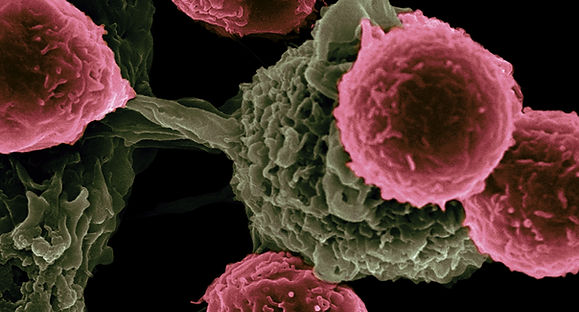
The immune system is composed of many intricate parts working in tandem to keep an organism healthy. Pathogens, Antigens, and Antibodies are all involved in illnesses you contract in unique ways. Pathogens are microorganisms that can infect animals and even plants. They can cause anything from a common cold to a deadly disease. Antigens are small markers on cells that inform the immune system of a foreign being. Antibodies, also known as immunoglobulin, recognize the antigens and attack them to protect your body. Despite the dangers of some microorganisms, they are all involved in this interesting relationship that keeps your body safe.
Pathogens are foreign microorganisms that cause disease in their host body. Their one goal is to reproduce; however, this can damage the cells of the host organism, causing a parasitic relationship. Pathogens can enter from any orifice. The most common types of pathogens are viruses, bacteria, fungi, and parasites. Bacteria are diverse microorganisms that can live in many environments. Fungi are able to spread in the air and environment through spores. Parasites are organisms that live on their host or take nutrients from them at the host’s expense. Viruses are made of strands of either DNA or RNA protected by a capsid, a protein shell. They use the host cell to replicate. Retroviruses are RNA viruses that can reverse transcribe their RNA into DNA. They incorporate their viral DNA into the host DNA. Since viruses are made of genetic material, genetic mutations can occur which causes more genetic variation. This makes it difficult to completely cure viruses as the mutated virus cannot be recognized.
Antigens are markers, usually made of proteins or polysaccharides, located on pathogens and normal cells in your body. Antigens are on every cell in your body but only foreign antigens, also known as heteroantigens, should be detected by the immune system. These antigens from your body are known as self-antigens or autoantigens. When autoantigens are wrongfully attacked by autobodies, it is called an autoimmune disorder. The immune system is constantly searching for foreign objects. When it recognizes one, immune cells are signaled to engulf it and break it down. Killer T-cells can directly attack and defeat cells with antigens. An antigenic determinant or epitope is an active site on antigens that bind to antibodies, B-cell receptors, and T-cell receptors. This allows for immune responses to occur.
Antibodies are protective proteins in the immune system made by B-cells. B-cells and T-cells are both white blood cells, but T-cells attack infected cells while B-cells produce antibodies. Antibodies are Y-shaped with antigen binding sites. Once the antigens are bound, they neutralize the pathogen by preventing it from getting into cells. The antibody then signals other immune cells to destroy the pathogen. Memory B-cells remember the same pathogen and will immediately produce antibodies if the antigen is detected. This allows vaccines to be made. Vaccines are composed of dead or weak antigens to trigger immune responses to prevent the actual virus from occurring. Immunoglobulins are classified into five types based on their function. IgA protects against ingested and inhaled pathogens; it is found in oral fluids. IgD is found on the surface of B-cells and is involved in B-cell activation or immune regulation. IgE causes allergic reactions and helps fight parasites. IgG is the most common antibody in blood and other bodily fluids. It gives long-term immunity and neutralizes pathogens. IgM is the first antibody produced when pathogens are detected.
Ultimately, by learning more about pathogens, antigens, and antibodies, we can understand how the immune system works to keep us safe. When you get sick pathogens enter your body with a goal to reproduce while harming the host at the same time. Antibodies along with white blood cells detect the antigens on pathogens. The memory B-cells are able to stop the same pathogen from attacking the body. However, they are not able to recognize mutated viruses which is why flu shots have to be taken every year. With the knowledge of these microorganisms and proteins, we are able to minimize the threats of deadly diseases.
Works Cited
“Antigen.” Cleveland Clinic, 2 Dec. 2025, my.clevelandclinic.org/health/diseases/24067-antigen.
Bell, Alex. What Are Pathogens? 21 Aug. 2020, www.medicalnewstoday.com/articles/pathogens-definition#pathogen-types.
Helmenstine, Anne, and Anne Helmenstine. “Antigen Definition, Function, and Types.” Science Notes and Projects, 29 Oct. 2023, sciencenotes.org/antigen-definition-function-and-types.
Professional, Cleveland Clinic Medical. “Antibodies.” Cleveland Clinic, 14 Jan. 2026, my.clevelandclinic.org/health/body/22971-antibodies.
---. “Pathogen.” Cleveland Clinic, 14 Apr. 2026, my.clevelandclinic.org/health/articles/pathogen.
“What Is an Antibody? Functions, Types, and Medical Uses.” Grifols.com, www.grifols.com/en/antibody.
Latest News